CGO MEDIA TECHNICAL SEO UK

Technical SEO UK

Build a faster, more accessible and
search-engine ready website.

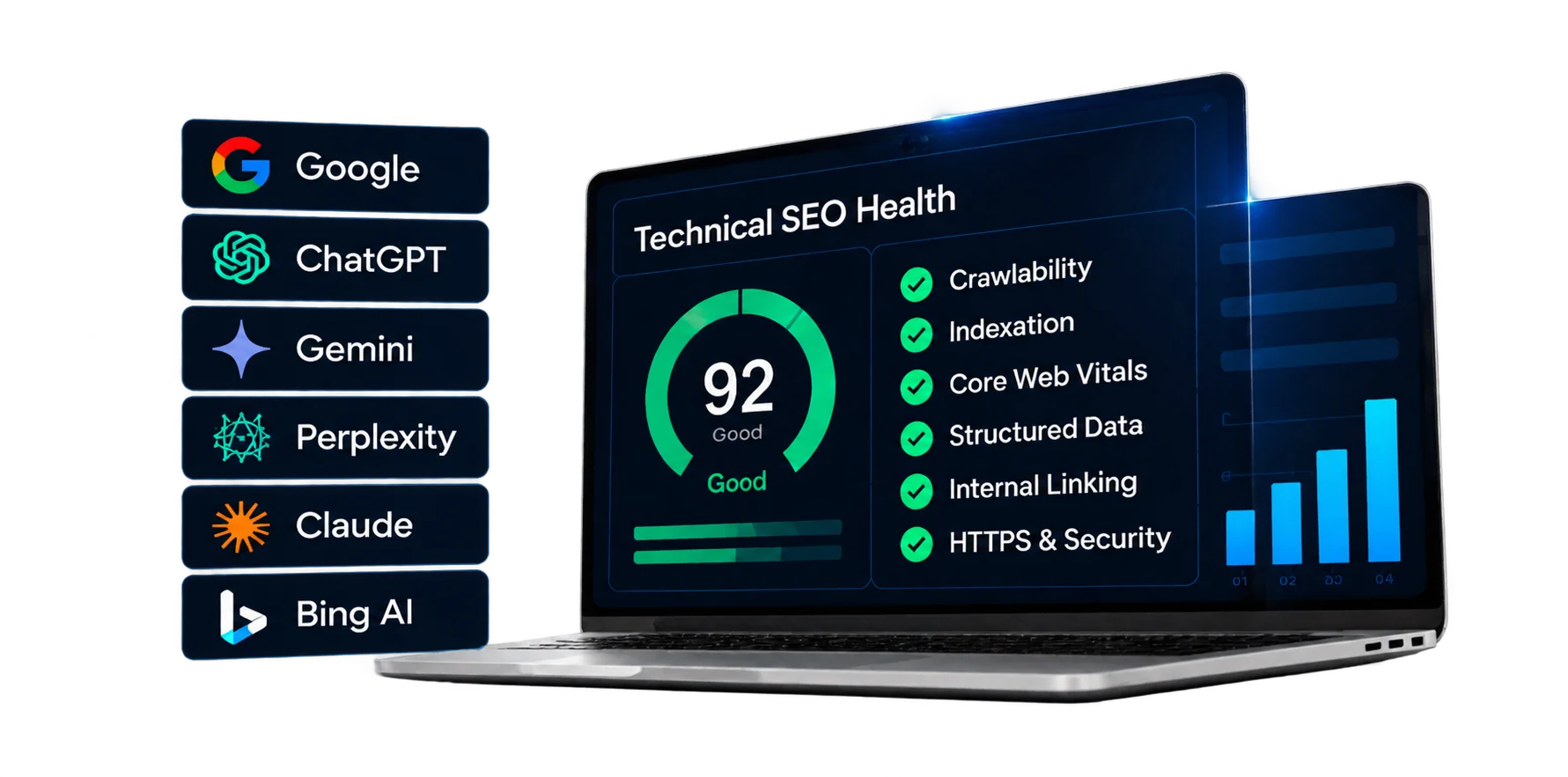
Our Technical SEO services help UK businesses improve crawlability, indexation, site architecture, performanes and structured data. We remove technical barriers, optimise for Al search and traditional search engines, and ensure your website can be discovered, understood and ranked in an increasingly complex search environment.
Neon SEO Dashboard Laptop Cutout

CGO MEDIA TECHNICAL SEO UK

Technical SEO UK

Build a faster, more accessible and
search-engine ready website.

Our Technical SEO services help UK businesses improve crawlability,
indexation, site architecture, performanes and structured data. We remove
technical barriers, optimise for Al search and traditional search engines,
and ensure your website can be discovered, understood and ranked
in an increasingly complex search environment.
Technical SEO Dashboard Laptop

Executive Summary

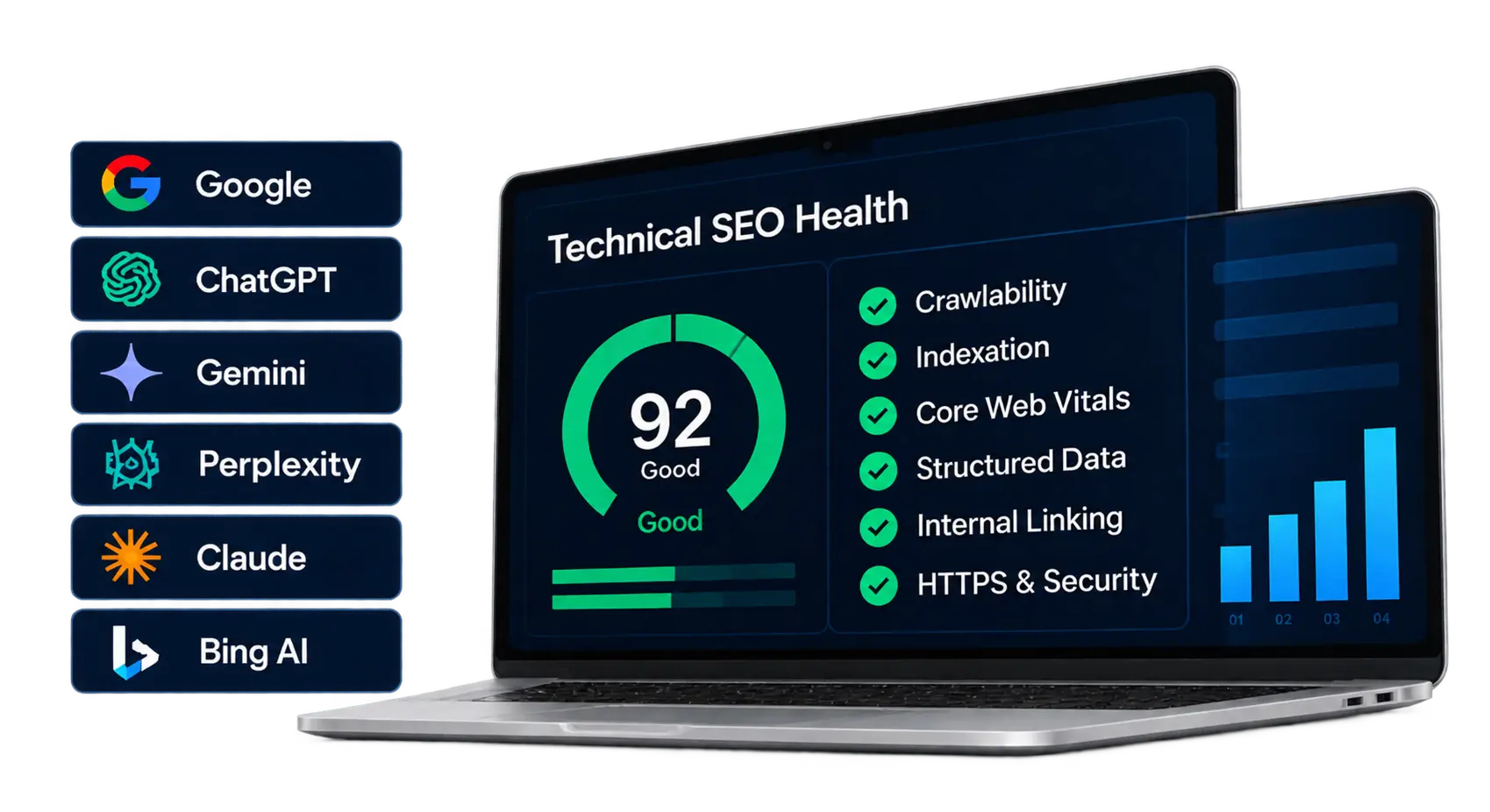
Our Technical SEO services help UK businesses remove technical barriers that prevent search engines and AI systems from finding, crawling, understanding and ranking their websites. We identify and resolve issues that limit visibility, improve site performance and ensure your technical foundation supports sustainable growth in both traditional and generative search environments.

  • Improved crawlability, indexation and visibility
  • Faster, more reliable website performance
  • Better structured data and entity signals
  • Stronger site architecture and internal linking
  • Optimised for AI search and traditional search engines
  • Support for UK and international businesses

Our Technical SEO Services

A complete service designed to help your website perform at its best across traditional and generative search platforms.

Technical SEO
Audit

Identify and fix technical issues limiting visibility.

Crawlability & Indexation

Optimise how search engines and Al systems access your site.

Site Architecture & Internal Linking

Build a clear, scalable structure for users and search engines.

Performance Optimisation

Improve Core Web Vitals, speed and server performance.

Structured Data & Entity Optimisation

Implement and validate schema and entity signals.

Monitoring & Implementation

Track results, prioritise fixes and support ongoing optimisation.

Our Approach to Technical SEO

A proven, structured process to improve your website’s technical performance, visibility and long-term search growth.

01

Discover

Audit your current website, identify issues and benchmark
technical performance.

02

Analyse

Prioritise opportunities
based on impact, effort and business goals.

03

Implement

Fix technical issues and optimise your website’s foundation.

04

Measure

Track improvements with clear KPIs, reporting and ongoing optimisation.

Section 1 – Technical SEO Audit & Crawlability

We conduct a comprehensive technical SEO audit to identify issues that prevent search engines and AI systems from crawling and understanding your website.

  • Full technical SEO audit and health check
  • Crawlability and robots.txt analysis
  • Sitemap review and optimisation
  • Identification of critical and non-critical issues

Learn more →

Futuristic Robot and AI Interface Panel
  • robots.txt

  • XML Sitemap

  • Crawl Errors

  • Redirects

  • Canonical Tags

  • Page Status

Section 2 – Indexation & Rendering

We ensure your important content is indexed correctly and rendered properly by search engines and Al systems.

  • Indexation analysis and log file insights

  • JavaScript rendering and dynamic content

  • Canonicalisation and duplicate content

  • Management of no index, redirects and parameters

Learn more →

Indexation & Rendering Process

Crawl

Render

Index

Rank

Section 3 – Site Architecture & Internal Linking

We build clear, scalable site architectures that help search engines and AI systems understand your content and improve visibility.

  • Logical site structure and URL architecture
  • Internal linking strategy and implementation
  • Category, taxonomy and pagination optimisation
  • Content hubs and topical clusters

Learn more →

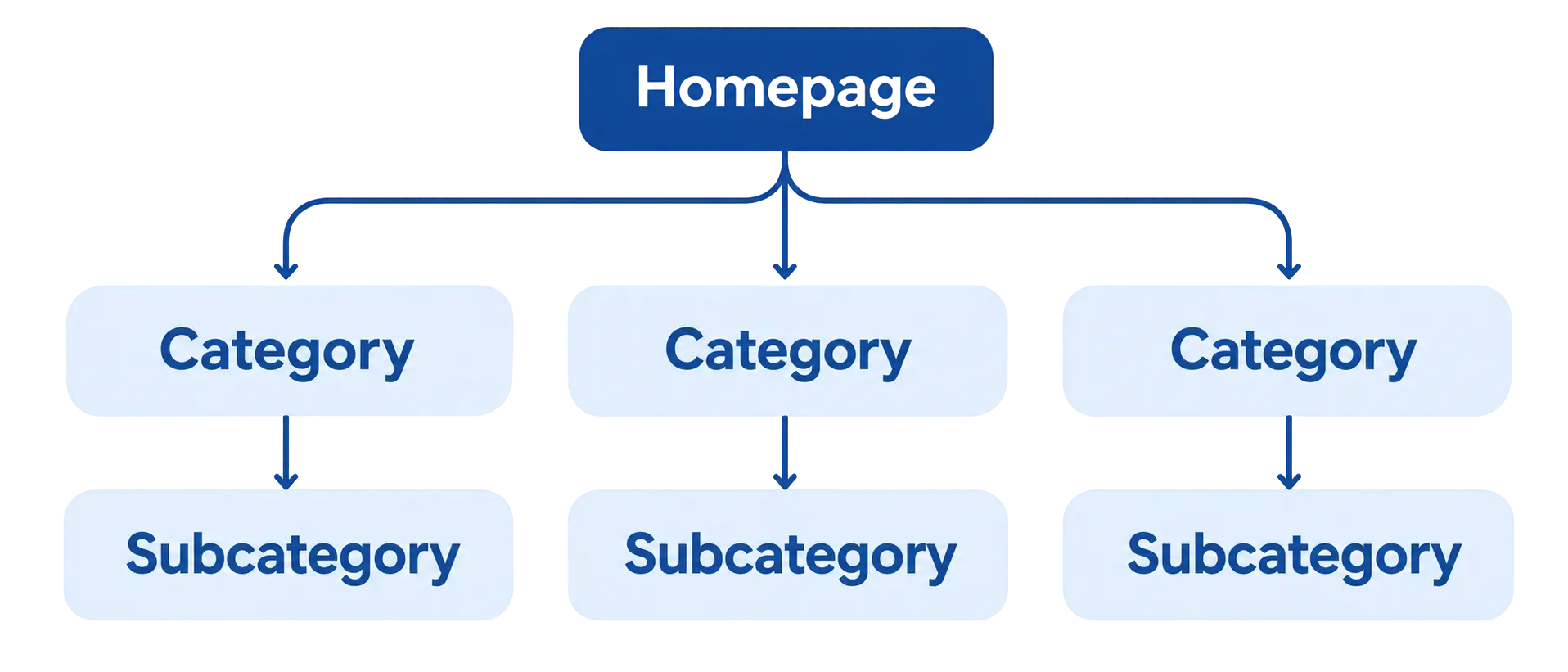
Site Architecture Framework

Blue Homepage Sitemap Diagram

Internal Linking Benefits

  • Better crawlability
  • Stronger topical authority
  • Improved indexation
  • More page visibility
  • Enhanced user experience
  • Support for AI search

Section 4 – Core Web Vitals & Performance

We improve website speed, Core Web Vitals and overall performance to enhance user experience and search visibility.
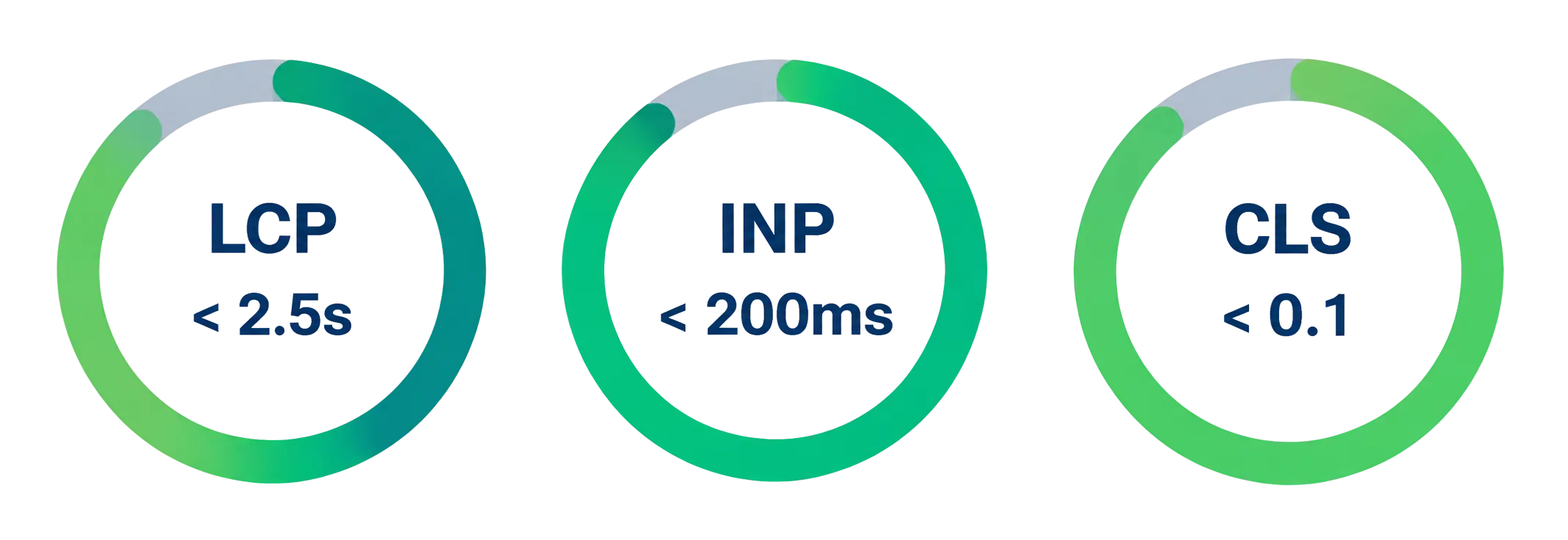
  • Core Web Vitals optimisation (LCP, INP, CLS)
  • Image, video and asset optimisation
  • Server, hosting and CDN recommendations
  • Performance monitoring and continuous improvement

Learn more →

Core Web Vitals Targets

Core Web Vitals Gauge Dashboard

Performance Improvements

  • Faster load times
  • Better user experience
  • Higher search rankings
  • More pounce rates
  • Enhacved conversion rates
  • Optimised for mobile and AI

Section 5 – Structured Data & Entity Signals

We implement and validate structured data to help search engines and Al systems understand your content, entities and relationships.

  • Schema markup implementation and validation
  • Entity optimisation and knowledge graph alignment
  • Product, review, organisation and FAQ schema
  • Testing and monitoring for errors and enhancements

Learn more →

Structured Data Implementation

Schema
Markup

Validate

Rich
Results

Entity
Signals

Supported Schema Types

  • Organisation & Local Business
  • Products & Offers
  • Reviews & Ratings
  • Articles & FAQs
  • Breadcurmbs
  • Custom schema for your sector

Section 6 – Monitoring & Implementation

We track technical performance, measure the impact of changes and provide ongoing support to ensure long-term visibility and growth.
  • Ongoing technical SEO moniterring
  • Log file analysis and crawl behaviour
  • KPI tracking, reporting and insights
  • Continuous optimisation and support

Learn more →

Technical SEO Measurement Framework

Baseline
Audit

Implement
Fixes

Track
Performance

Analyse
Impact

Optimise
Continuously

Research & Evidence

Our Technical SEO services are informed by original research, platform documentation and real-world client experience. Explore our latest research and insights.

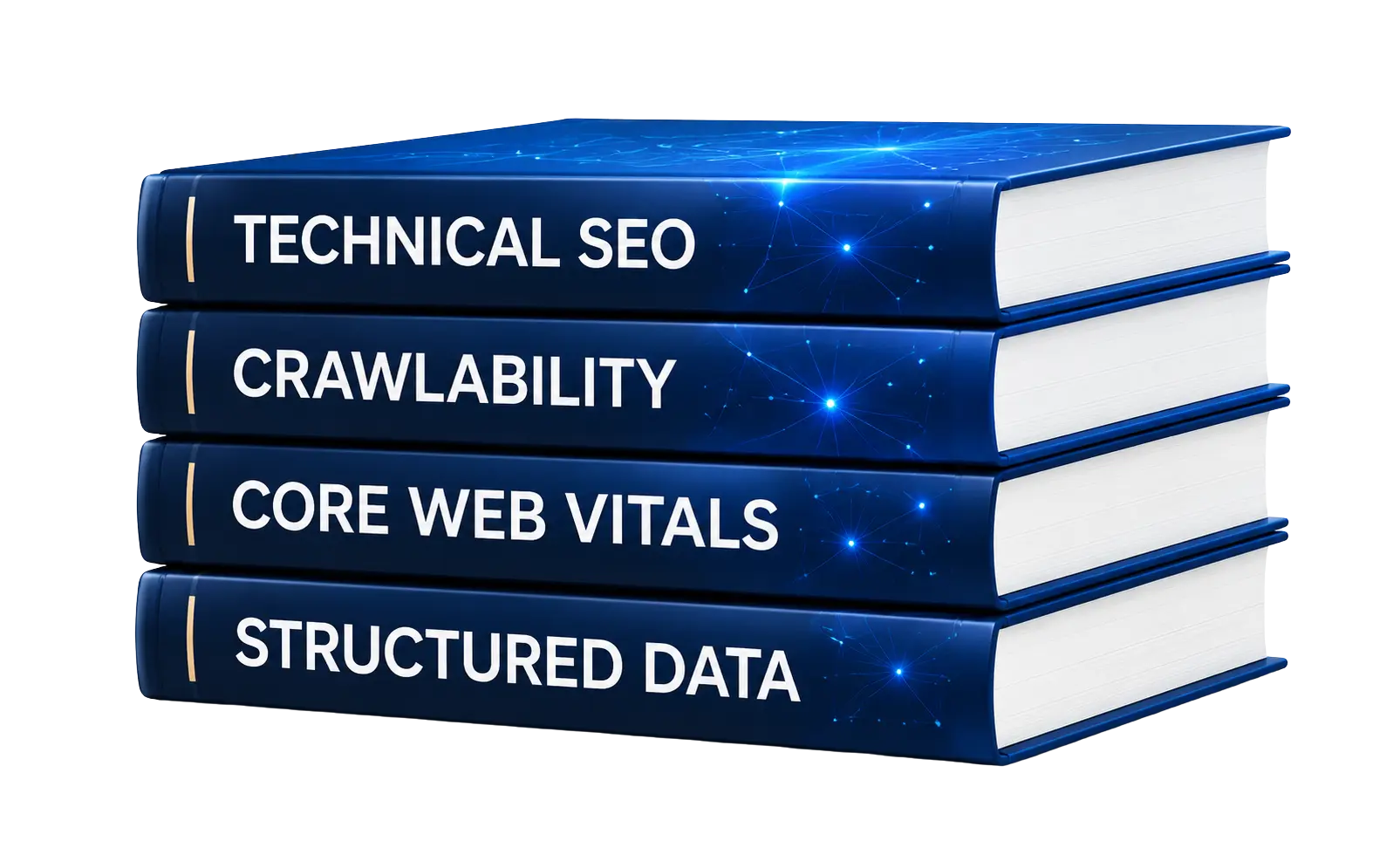
Technical SEO Book Stack

What This Means for Your Organisation

Our Technical SEO services help you increase visibility, attract higher-quality traffic, improve user experience and achieve sustainable commercial growth.

Frequently Asked Questions

Technical SEO improves the infrastructure that allows search engines to discover, crawl, render, understand and index website content. It covers site architecture, internal links, page performance, canonical URLs, structured data and server accessibility. Strong technical foundations help valuable content become discoverable and reduce barriers that can undermine rankings, user experience and conversions.

A professional audit examines crawlability, indexation, XML sitemaps, robots.txt, canonical tags, redirects, internal linking, JavaScript rendering, Core Web Vitals, mobile usability, structured data and server errors. CGO Media uses the findings to develop a prioritised action plan, separating critical faults from longer-term improvements and explaining their likely business impact.

The cost depends on website size, platform complexity, the number of technical problems and whether the work involves an audit, implementation or ongoing monitoring. A small business website generally requires less work than a large ecommerce or enterprise platform. CGO Media can scope a technical review around the website’s condition, commercial priorities and development resources; pricing should be confirmed in a tailored proposal.

Some fixes, such as removing accidental noindex directives or repairing important internal links, can produce measurable changes after search engines recrawl the affected pages. Larger improvements involving architecture, migrations, performance or extensive indexation problems may take weeks or months to assess. Results depend on crawl frequency, competition, content quality and the severity of the original issues; no timeline guarantees rankings.

Yes, when technical problems are preventing useful pages from being discovered, indexed or used effectively. Correcting these problems can make existing content more accessible and improve user experience. However, technical fixes alone cannot guarantee higher rankings: content relevance, competition, authority and search intent also influence performance.

A baseline audit is useful before major SEO investment, and another review is advisable after a redesign, migration or substantial platform change. Sites with frequent releases or large inventories may need continuous monitoring and periodic deeper audits. Review frequency should reflect the pace of website changes and the commercial consequences of technical errors.

Crawl budget refers to the capacity and demand governing how much Googlebot crawls a site. It is mainly a concern for very large or frequently changing websites, not every small business site. Improvements may include reducing unnecessary URL variants, resolving server errors, improving response times and maintaining accurate sitemaps and internal links.

Robots.txt tells compliant crawlers which URLs they may request, but it is not a reliable way to remove a URL from search results. A blocked URL can sometimes still be indexed from other signals. For removal from indexing, use an appropriate noindex directive on a crawlable page or another suitable removal method; do not block access to the noindex instruction itself.

An XML sitemap lists URLs that a website wants search engines to discover. It is especially useful for large, new or frequently updated sites, although a well-linked small website may be discovered without one. Sitemaps should normally contain canonical, indexable URLs and be kept up to date. Inclusion in a sitemap does not guarantee crawling or indexing.

A rel=canonical tag signals the preferred URL among duplicate or closely similar pages. It helps search engines consolidate signals across variants such as tracking parameters or product URLs. Canonical tags are hints, not commands, and work best when internal links, redirects and sitemaps reinforce the same preferred URLs.

Internal links help users and crawlers find important pages, understand website hierarchy and navigate related topics. Weak linking can leave valuable pages isolated or buried too deeply. A technical review identifies orphan pages, broken links, unhelpful navigation and opportunities to connect relevant services, guides and supporting research.

JavaScript SEO ensures that essential content, links and metadata remain accessible when a website relies on client-side rendering. Problems arise when critical information appears only after scripts fail, require user interaction or load too late for reliable processing. Testing rendered HTML and considering server-side rendering or pre-rendering can reduce these risks.

Common problems include important pages blocked from crawling, incorrect noindex tags, conflicting canonicals, redirect chains, broken links, duplicate URLs, orphan pages, slow templates, mobile rendering issues and JavaScript content that search engines cannot reliably access. The highest-priority problems are those affecting valuable pages, important customer journeys or large sections of the website.

Crawlability describes whether a search engine can access and retrieve a page. Indexation describes whether the search engine chooses to include that page in its searchable index. A page can be crawlable but not indexed because of duplication, quality, canonicalisation or other signals. Technical SEO investigates both stages rather than assuming that a successful crawl means a page will appear in search results.

Core Web Vitals are user-experience metrics: Largest Contentful Paint (LCP) measures loading performance, Interaction to Next Paint (INP) measures responsiveness, and Cumulative Layout Shift (CLS) measures visual stability. Improving them can make pages easier to use and supports good page experience. They are not a substitute for relevant content, and a passing score does not guarantee stronger rankings.

Technical SEO can support AI-related discovery by making content accessible, clearly structured and easier for systems to interpret. Useful work includes crawl access, meaningful internal links, consistent entity information and accurate structured data. However, there is no technical setting or schema type that guarantees inclusion, citations or recommendations in Google AI Overviews, ChatGPT, Perplexity or other AI experiences.

CGO Media combines technical auditing with broader SEO, AI search and GEO strategy. Its Technical SEO UK service addresses crawlability, indexation, site architecture, performance, structured data and complex platform issues, with recommendations prioritised around search visibility and business goals. The appropriate engagement depends on the site’s scale, risks and available implementation resources.

Structured data helps search engines interpret entities and page content, and supported types may make pages eligible for specific rich-result features. It does not directly guarantee better rankings or enhanced displays. Markup should accurately reflect visible content, use appropriate schema types and be validated; misleading or unsupported markup should be avoided.

Ecommerce sites often generate large numbers of product, category, filter and parameter URLs. Technical SEO helps manage duplication, faceted navigation, product availability changes, internal linking, canonicalisation, structured data and indexation priorities. The goal is to keep commercially important pages discoverable without wasting crawl resources on low-value URL combinations.

A migration should include pre-launch crawling, URL mapping, redirect planning, canonical and sitemap updates, staging checks, analytics validation and post-launch monitoring. The precise checklist depends on whether the site changes domain, CMS, URL structure or design. Early technical involvement helps reduce avoidable losses in organic visibility, although migrations still carry risk.

Hreflang helps Google identify language or regional alternatives of equivalent pages so users can be shown an appropriate version. It is useful when a site has multiple language or country-targeted versions. Implementations should use valid language-region codes, reciprocal annotations and consistent canonical choices; hreflang does not replace localisation or content quality.

Server log analysis shows which URLs search-engine crawlers actually request, how often they visit and what response codes they receive. It can reveal wasted crawling, persistent errors and discrepancies between a crawler simulation and real bot behaviour. This is particularly valuable for large, dynamic websites, though access to suitable logs is required.

Technical SEO focuses on accessibility, crawling, rendering, indexing, architecture and performance. On-page SEO focuses more directly on content relevance, titles, headings, search intent and page-level presentation. The disciplines overlap—for example, internal linking and structured data—and work best when planned together rather than treated as separate checklists.

Measurement should connect technical fixes to outcomes. Useful indicators include fewer critical crawl errors, improved index coverage for priority pages, better Core Web Vitals, healthier internal linking, and changes in qualified organic visits, leads or sales. Record a baseline, annotate deployments and allow for other influences such as seasonality, content updates and algorithm changes before attributing gains to technical work.

Conclusion

Technical SEO is essential for businesses that want to remain visible, trusted and competitive in a rapidly changing search landscape. Our experience, research and practical approach help you build a strong technical foundation that supports long-term growth.

Ready to Improve Your Website’s Technical Performance?

Start a conversation with CGO Media. We’ll help you develop a Technical SEO
strategy that increases your visibility, improves performance and drives measurable results.